Development
As a leader, part of your responsibility is to upskill your team through training, coaching and general development so they continue to learn and grow. You'll find this takes a bit of your time, however, an investment in building their skills and abilities means that, over the longer term, they'll be more capable and less dependent on you.
There are many varied opportunities for people to learn and develop at work with your guidance:
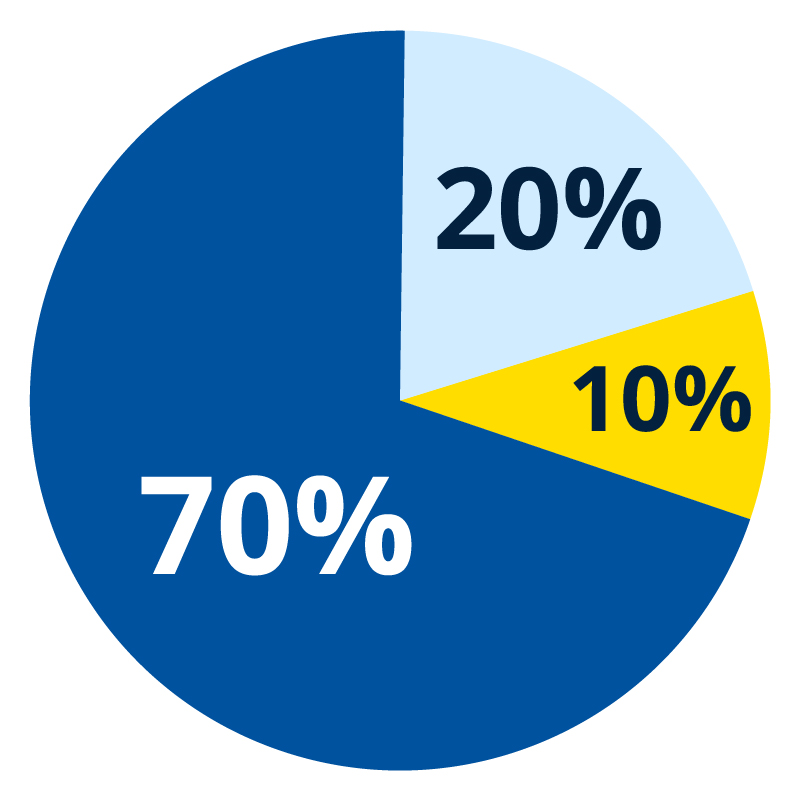
70/20/10
The 70/20/10 model of learning and development is a way of thinking about the full range of options available to maximise learning, growth and potential.
Role Model
Your employees learn as much from what you do as from what you say, so it's essential to role model the behaviours, attitudes, and standards you expect from your team. During the development stage of the employee lifecycle, consistent role modelling reinforces organisational values, builds trust, and encourages employees to apply what they're learning in real situations.

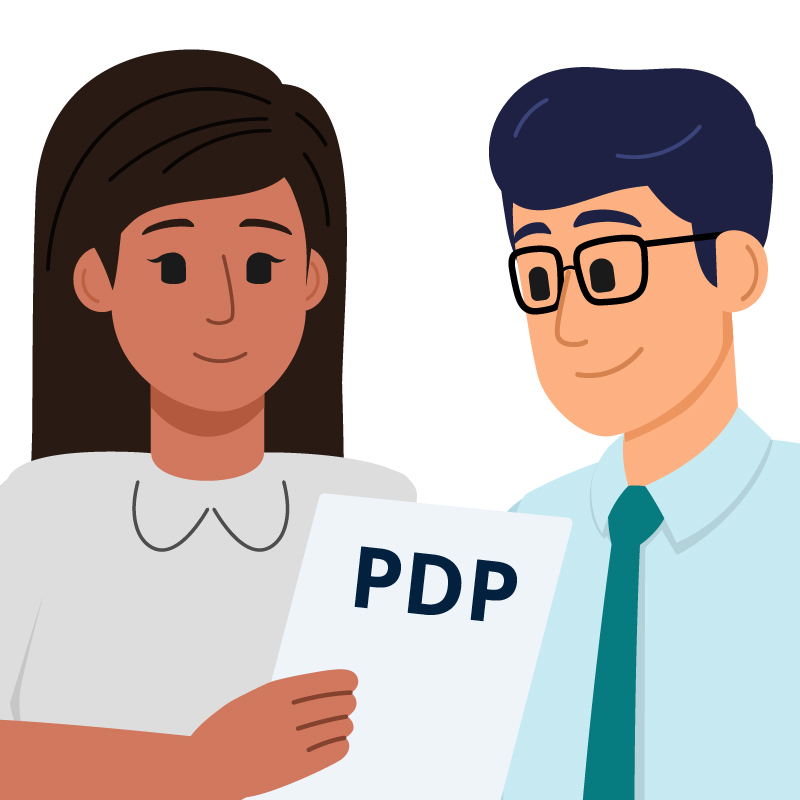
Professional Dvelopment Plan
Schedule six-monthly (at least) performance and development conversations with each team member to take dedicated time to discuss their performance, progress and identify opportunities for learning and growth.
Feedback
Provide regular feedback to your team members, both formal and informal.
Why it's important
Employee development is important to you as a line manager as it:
-
Improves team performance and productivity.
-
Increases employee engagement and motivation.
-
Encourages employees to take ownership of their work.
-
Builds a stronger, more capable team.
-
Reduces turnover, and retains talent.
-
Helps you meet targets and deliver results more easily.
HHS Learning and Development
Select the relevant link below to learn more about Learning and Development in your HHS.
