Giving feedback
Feedback is information a line manager provides to an employee about their performance, behaviour, or outcomes. It helps people understand what is working well, what needs to change, and how to keep moving forward with confidence.
Feedback can be:
-
Positive – reinforces what is working well
-
Constructive – clarifies what needs to change or improve
-
Developmental – supports future growth and capability
Why feedback matters
-
Drives performance
-
Builds trust and engagement
-
Reinforces positive behaviours
-
Supports development
When feedback is done well, it creates clarity, direction, and psychological safety – not criticism.

Feedback and Coaching: How they work together
Feedback focuses on what has already happened. It gives clear information about performance so employees know what to continue or change.
Coaching focuses on future potential. It helps people explore goals, build capability, and find their own solutions.
Balanced feedback is using both feedback to acknowledge performance and behaviour and coaching to explore future goals, solutions, and development.
How Leadership Shapes Feedback
Feedback starts with how you lead. Your actions, communication, and expectations shape how feedback is given, received, and acted on in your team.
Open each tab below to learn more.
- Clear Expectations
- Communication
- Lead by Example
- Feedback Culture
- Support and Growth
Set clear standards, priorities, and behaviours so your team understands what good performance looks like and can work with confidence.
Share information openly, check in regularly, and encourage two-way conversations. Strong communication makes feedback easier and less confronting.
Model the behaviours you expect. Be open to feedback, take accountability, and demonstrate professionalism and respect.
Make feedback part of everyday work. Give timely, specific feedback and invite your team to do the same. Reinforce that feedback supports improvement, not criticism.
Look for opportunities to help your team learn and develop. Offer guidance, encourage reflection, and recognise progress so your team feels supported to grow.
Providing feedback
There are 5 things to consider when providing effective feedback:

Timely
Given close to the event, not months later.

Specific
Focused on observable behaviour or results, not personality.

Balanced
Acknowledging strengths while addressing areas for growth.

Two-way
Allowing the employee to respond and ask questions.

Supportive
Offering guidance and solutions, not just criticism.
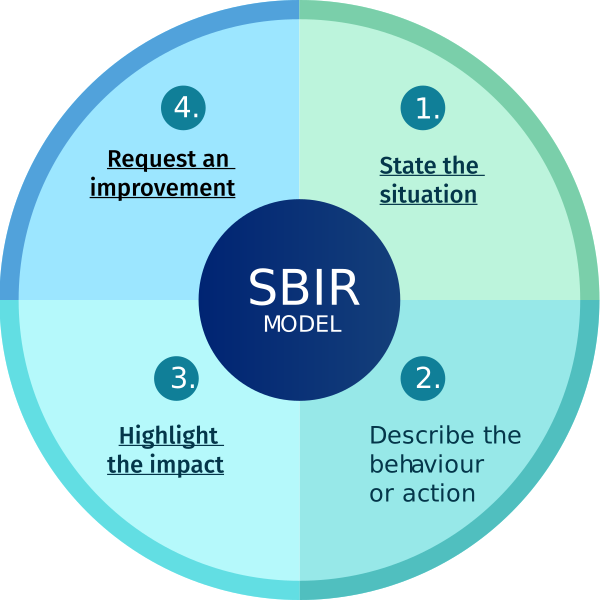
Using the SBIR model
The SBIR model is a structured approach to giving feedback that keeps the conversation clear, factual, and focused on improvement.
This model works for both positive feedback (reinforcing great work) and constructive feedback (addressing issues).
Select each quadrant to discover more.
Managing a performance conversation
This short video demonstrates a conversation with positive and constructive feedback.
Remember to document your conversation
-
It should be brief, factual and consistent.
-
A short follow-up email is often the simplest and safest option.
-
Document all feedback types – positive, constructive, and developmental.
-
Clear documentation supports accountability and future action if required.
Positive Performance Management Policy (HR Policy G9)
For more detail on giving regular and constructive feedback, refer to Queensland Health’s Positive performance management HR Policy G9.
