Managing performance
As a leader, you play a key role in managing performance within your team. Done well, this supports employee growth, team satisfaction, and quality patient care.
Managing performance isn’t always negative — it’s often about clarifying expectations, guiding employees, and supporting success. Underperformance may occur, but it’s the exception, not the rule.
Good leadership means identifying issues early, acting quickly, and having open conversations. These discussions may feel uncomfortable, but with a strong working relationship they become easier and more constructive.

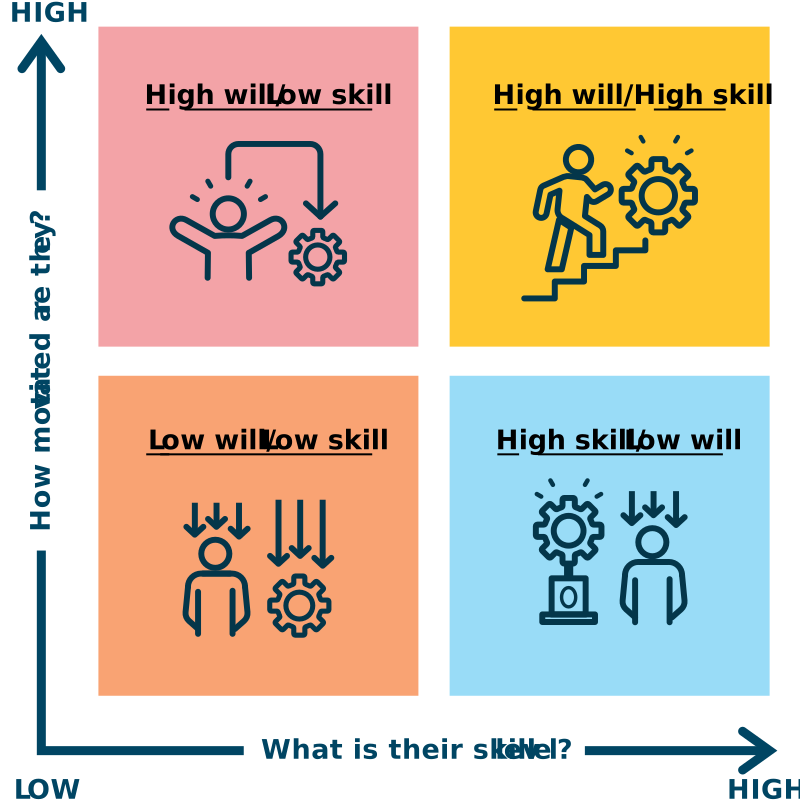
Aligning your expectations vs their ability
The Skills vs Will Matrix is a simple tool that helps leaders decide how best to support their team members. It maps an employee’s ability (skills) against their motivation (will), showing whether they need training, encouragement, closer guidance, or more autonomy. By understanding where someone sits in the matrix, you can tailor your leadership approach to get the best outcomes for both the individual and the team.
Select each quadrant to discover more.
Ways for you to encourage strong performance in your team
Why it's important
-
Ensures employees understand their roles and expectations
-
Supports staff growth and development
-
Maintains team morale and engagement
-
Protects the quality and safety of patient care
-
Builds trust and reduces conflict
-
Strengthens overall team performance
