Rehabilitation (Return to work)
Queensland Health is committed to supporting employees to recover and remain engaged in meaningful work following an injury, illness or health condition. Workplace rehabilitation focuses on helping employees safely return to work, stay at work, or recover while maintaining their connection to the workplace.
As a leader, you play an important role in supporting rehabilitation and recovery through effective communication, workplace adjustments and collaboration with employees and relevant support services.
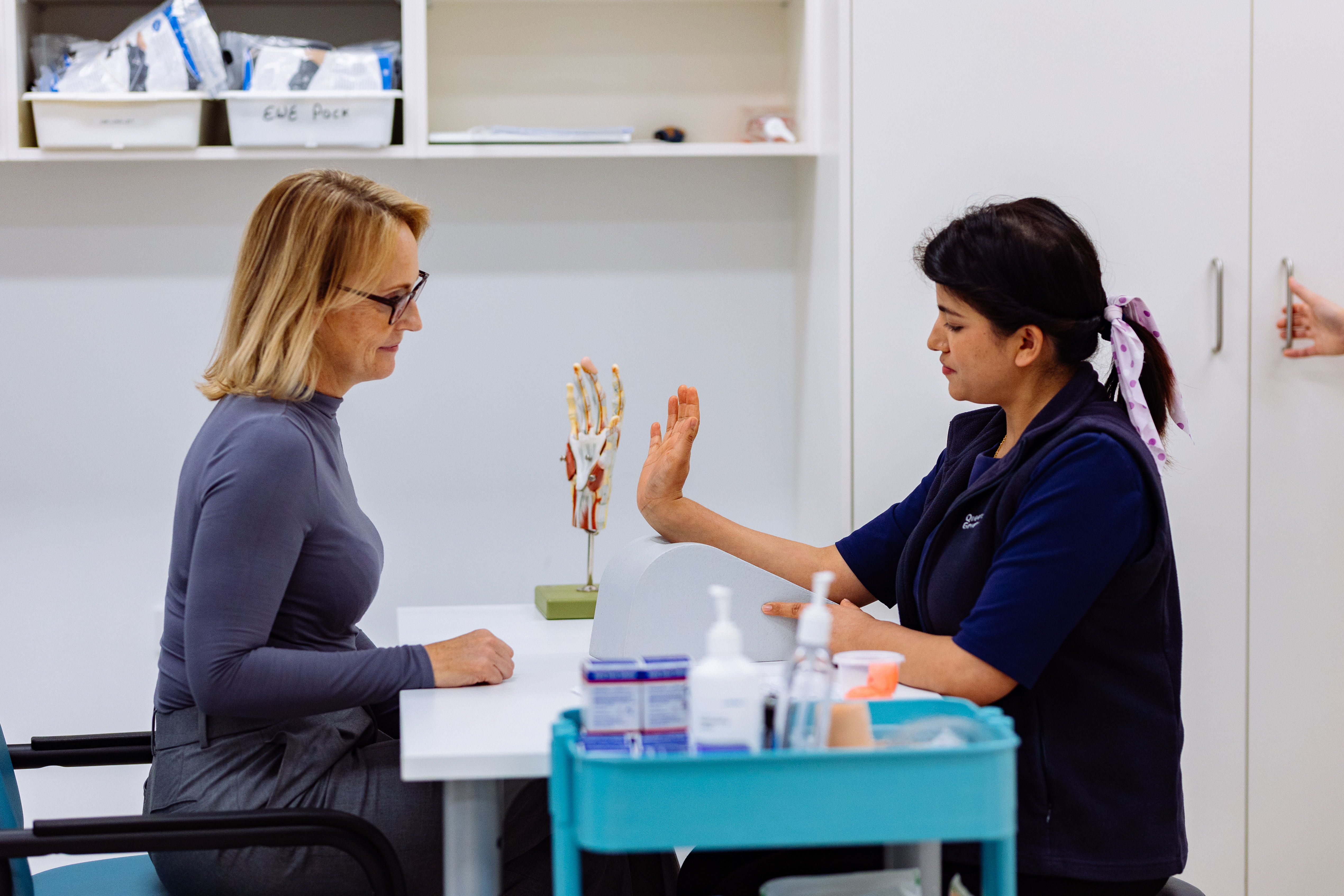
Select each tab to learn how to support your employees.
- Workplace rehabilitation is
- Considerations
- Take action
Workplace Rehabilitation (Return to work)
Workplace rehabilitation is the process of supporting an employee to return to work, remain at work or recover at work following an injury, illness or health condition.
The goal is to:
Support recovery and wellbeing.
Maintain a connection to the workplace.
Facilitate a safe and sustainable return to work.
Promote meaningful participation in work where appropriate.
Reduce the impact of injury or illness on the employee and workplace.
Workplace adjustments
Workplace rehabilitation may involve temporary or ongoing adjustments to support an employee's capacity for work, including:
Modified duties.
Reduced hours.
Graduated return to work arrangements.
Changes to work tasks or responsibilities.
Adjustments to the work environment.
Key considerations
Recovery and rehabilitation experiences vary between individuals.
Return to work is often a gradual process and may require flexibility and ongoing review.
Workplace rehabilitation focuses on what an employee can do, rather than what they cannot do.
Privacy and confidentiality are important throughout the rehabilitation process.
Collaboration between the employee, leader and relevant support services contributes to successful outcomes.
A supportive workplace can have a positive impact on recovery, confidence and wellbeing.
As a leader
Maintain respectful and supportive communication with employees during periods of absence or recovery.
Collaborate with employees, rehabilitation providers and relevant workplace support services.
Support suitable duties and workplace adjustments where appropriate.
Monitor and review return to work arrangements to ensure they remain effective.
Foster an inclusive environment that supports recovery and participation.
Respect employee privacy and confidentiality throughout the rehabilitation process.
Why it's important
-
Meaningful work can positively contribute to recovery, wellbeing and rehabilitation outcomes.
-
Early and supportive intervention can improve return to work outcomes.
-
Workplace rehabilitation helps employees remain connected to their workplace and colleagues.
-
Effective rehabilitation can reduce the impact of injury or illness on employees and teams.
-
Supportive return to work practices contribute to employee engagement and retention.
-
Successful rehabilitation benefits both employees and the organisation.
